Fixing Airway Skill Decay in EMS Systems
A system-level solution for EMS leaders facing declining intubation exposure, inconsistent proficiency, and rising performance risk.
For EMS agencies, medical directors, training divisions, and county decision-makers.
The Problem Is Not Just Training. It Is System Design.
Declining Exposure
Paramedics are getting fewer live airway opportunities, which makes skill retention harder to sustain.

Inconsistent Performance
High-acuity, low-frequency skills deteriorate when systems rely on occasional refreshers instead of continuous reinforcement.
Organizational Risk
When airway readiness varies across providers, leaders inherit the clinical, operational, and liability consequences.
A Continuous Airway Readiness Model
Sentinel Skills Systems helps agencies build a repeatable, operational approach to airway proficiency using station-based Acuity Packs, daily skill engagement, and alignment with QA/QI processes.


Install Acuity Packs

Integrate daily airway reps

Reinforce consistency across providers

Strengthen readiness, oversight, and outcomes
Built for Leaders Responsible for Performance
Funding Strategy Support
Implementing a comprehensive airway competency program should not be limited by budget.
Sentinel helps EMS agencies identify and evaluate funding mechanisms that may support implementation costs, including training equipment, clinical rotations, simulation resources, competency management systems, and related readiness initiatives.
As part of the Strategy & Fit Assessment, we evaluate potential funding pathways that align with your agency’s structure, priorities, and implementation goals.
Every agency’s funding landscape is different. Sentinel works with leadership to identify implementation strategies and funding mechanisms that best align with the agency’s operational goals, organizational structure, and available opportunities.
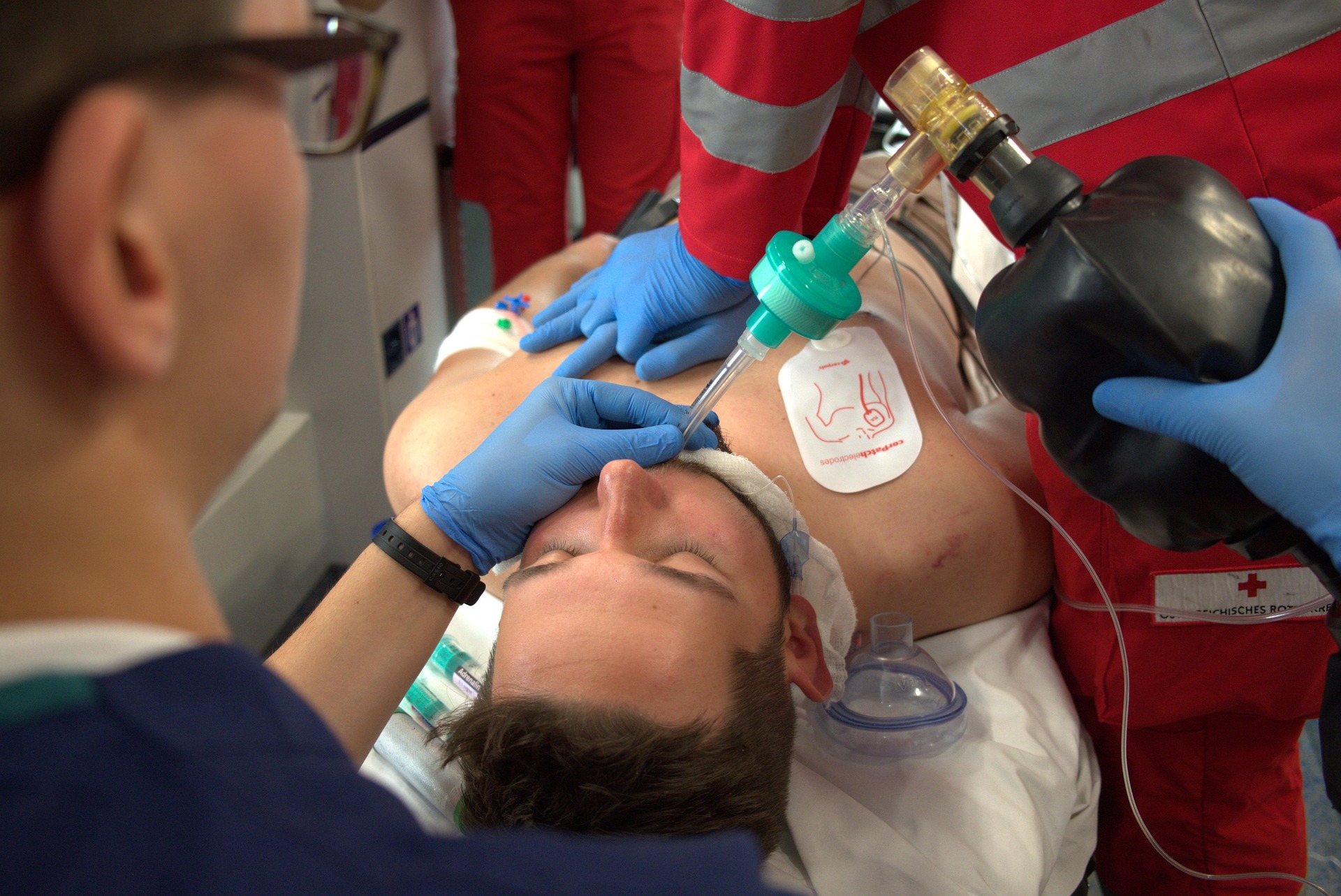
Clinical readiness
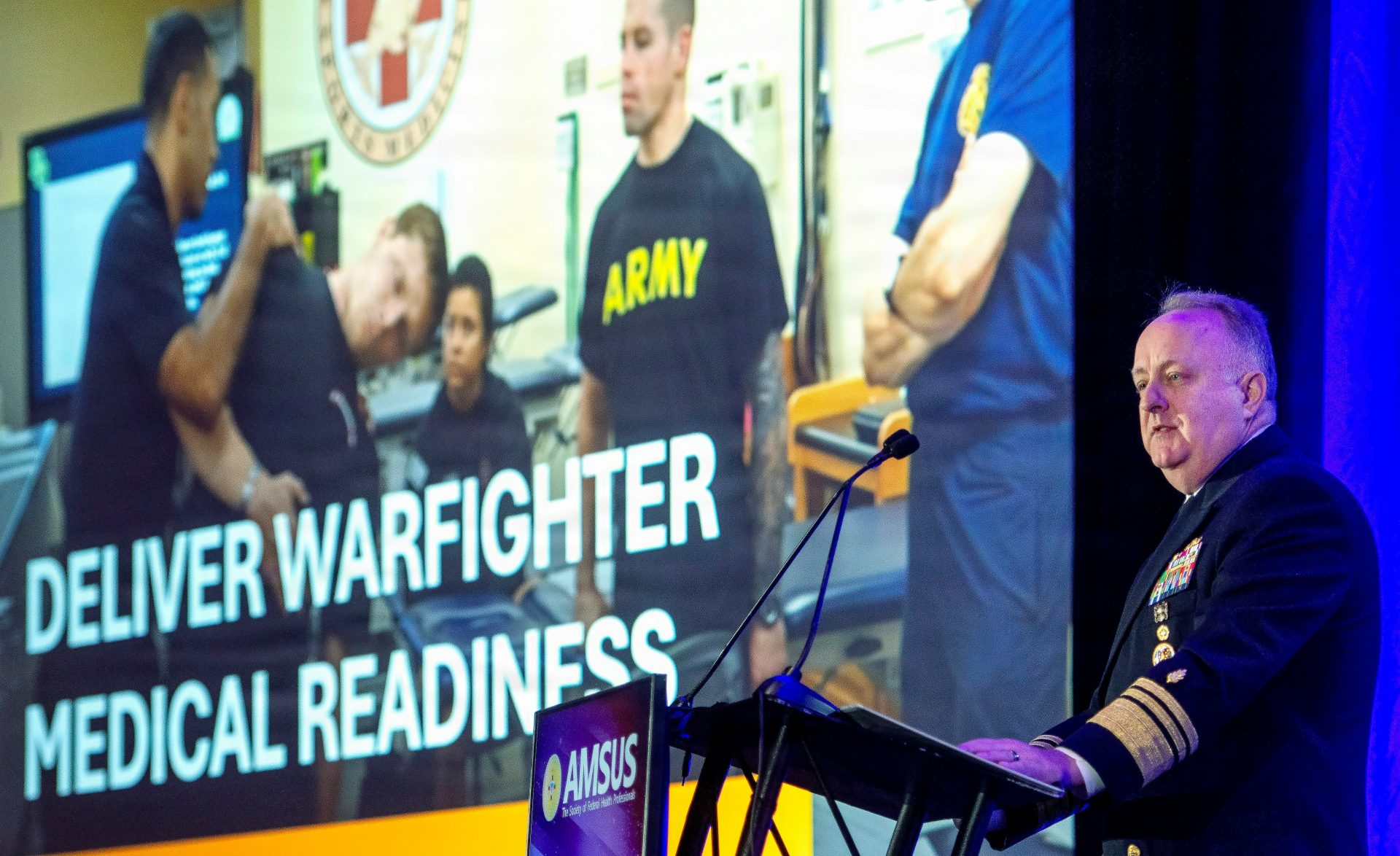
Provider consistency

QA defensibility

System-wide scalability
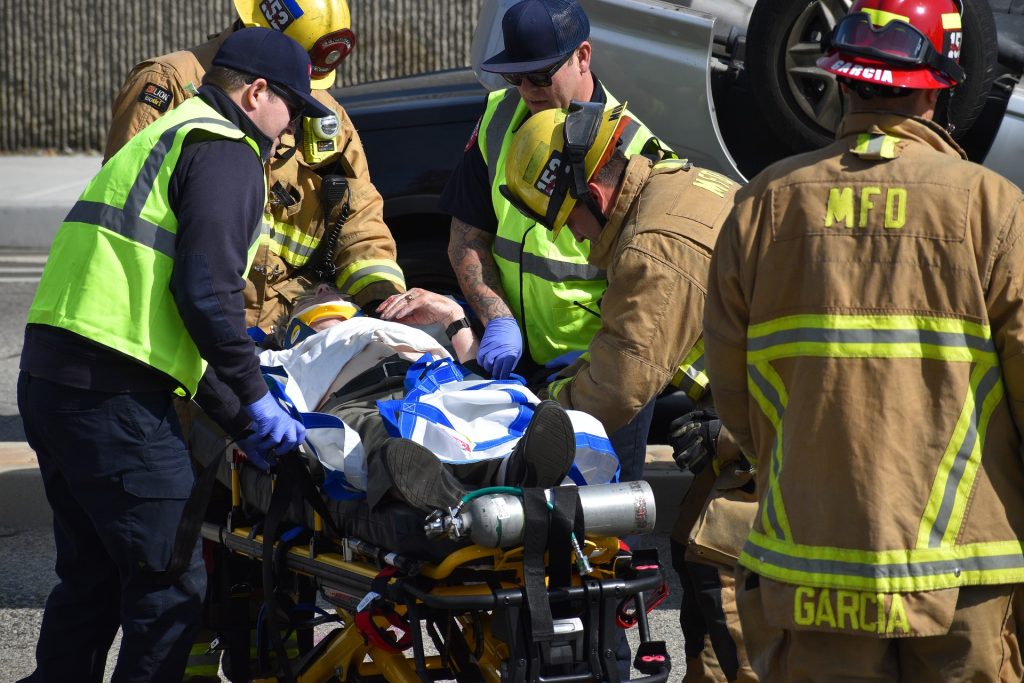
Built from Field Experience and Doctoral Research
Sentinel was developed through decades of EMS experience and doctoral research focused on the factors that influence paramedic airway performance, including training, skill retention, decision-making, and organizational practices.

You Do Not Fix Skill Decay with Occasional Training
You fix it by changing the system that allows it to happen.